Who We Are

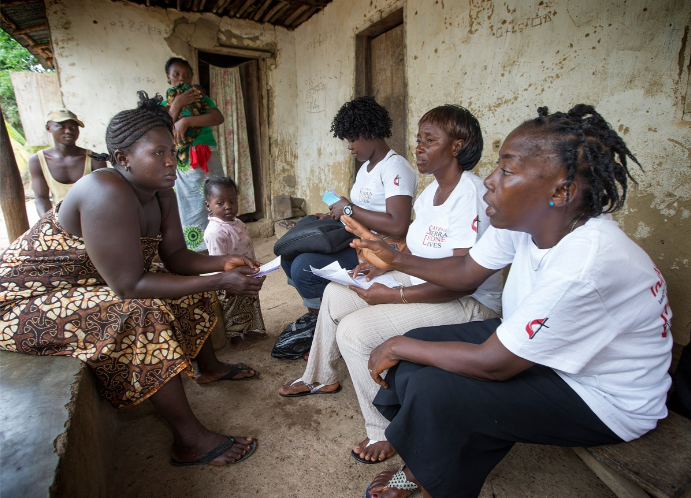
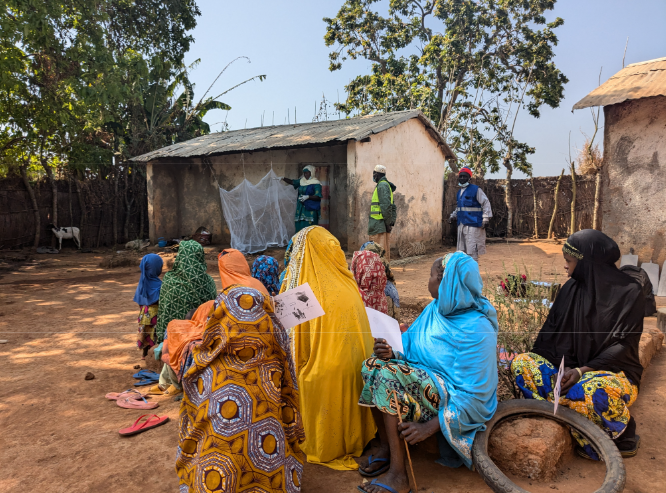
Strategic Public Health Initiatives (SPHI) is a newly registered non-governmental organization (NGO) dedicated to advancing public health and sustainable development in vulnerable communities worldwide. SPHI focuses on combating malaria and related childhood illnesses, while integrating climate resilience and broader socioeconomic strategies to create lasting impact. Our work targets high-burden and conflict-affected areas, where we deploy evidence-based interventions to save lives, strengthen health systems, and foster community empowerment. As a dynamic, outcomes-driven entity, SPHI bridges the gap between global health goals and local realities, ensuring equitable access to health services and promoting long-term resilience.

Mission & Vision

Mission

To strategically reduce morbidity and mortality from malaria and childhood illnesses by implementing innovative, evidence-informed interventions that enhance health equity, adapt to environmental challenges, and align with sustainable development objectives.

Vision

A world where every child thrives in healthy, resilient communities free from the threats of preventable diseases, supported by robust health systems and empowered stakeholders.

Core Values

SPHI's objectives guide our programmatic focus and operational strategy:

To reduce the incidence and burden of malaria and related childhood illnesses (including severe anaemia, pneumonia, and diarrhoea) in high-burden and conflict-affected communities through the implementation of evidence-based preventive interventions, such as insecticide-treated net distribution, deployment of spatial emanators, indoor residual spraying, seasonal malaria chemoprevention, and other proven strategies.

To enhance timely access to high-quality diagnosis, treatment, and care for children under five affected by malaria and associated conditions by supporting community-based and facility-level health systems, including supply chain improvements, service delivery strengthening, and referral mechanisms.

To promote community-level knowledge, positive behaviour change, and empowerment through targeted health education and communication campaigns focused on disease prevention, early recognition of childhood danger signs, prompt care-seeking, and household-level protective practices.

To secure and mobilize sustainable financial resources by sourcing and receiving funds from charitable foundations, philanthropic organizations, institutional donors, corporate partners, and other supporters to enable the effective design, implementation, monitoring, and scaling of health and development interventions.
see more

To rigorously monitor, evaluate, and document program performance and impact using robust, evidence-based indicators of morbidity, mortality reduction, intervention coverage, equity, and health outcomes to demonstrate progress, inform adaptive management, and ensure accountability to stakeholders.

To forge and sustain strategic partnerships with national and local governments, international agencies, civil society organizations, local communities, and private sector entities to improve coordination, leverage complementary resources, build synergies, and promote long-term program sustainability.

To align interventions with broader socioeconomic development goals by promoting health equity, strengthening local systems and institutions, fostering community-driven and participatory approaches, and contributing to long-term wellbeing, resilience, and sustainable development in target populations.

To advocate for evidence-informed policies, increased domestic and international funding commitments, and systemic health sector reforms that prioritize malaria elimination, integrated child survival strategies, and equitable access to essential health services.

To strengthen the capacity of local health workers, community volunteers, health committees, and partner organizations through training, mentoring, and resource provision to deliver high-quality, effective, and sustainable public health interventions.

To integrate climate change adaptation and sustainable environmental management principles into all health program design, implementation, and evaluation processes, addressing the linkages between environmental factors (e.g., changing weather patterns, vector ecology), disease transmission dynamics, community vulnerability, and health system resilience.

Our Approach

SPHI employs a strategic, multi-faceted approach that emphasizes innovation, collaboration, and measurable outcomes. We prioritize data-driven decision-making, leveraging epidemiological insights and real-time monitoring to adapt interventions dynamically. Our programs incorporate climate-smart practices to mitigate the growing impacts of environmental changes on disease patterns.

see more By centering community voices and building local capacities, we ensure interventions are culturally appropriate, scalable, and sustainable. SPHI also commits to transparency and ethical standards, adhering to international best practices in governance and financial management.

Leadership and Governance

Led by a diverse board of public health experts, development practitioners, and community representatives, SPHI is committed to inclusive leadership. Our founding team brings decades of collective experience from organizations like USAID, Global Fund, UNOPS, RBM, WHO, and local health ministries. We operate under a robust governance framework that ensures accountability, with annual audits and stakeholder reporting.

Get Involved

SPHI welcomes collaborations, donations, and volunteer opportunities to amplify our impact. Contact us at info@sphi.org or visit our website at www.sphi.org.ng to learn more, contribute, or partner in building healthier futures. Together, we can turn strategic initiatives into life-saving outcomes.

Thematic Areas

Malaria and Childhood Illness Prevention

Focuses on deploying evidence-based preventive measures to lower the incidence and burden of malaria, severe anaemia, pneumonia, diarrhoea, and related conditions in high-burden and conflict-affected communities. Key activities include large-scale distribution of long-lasting insecticide-treated nets (LLINs), indoor residual spraying (IRS), deployment of spatial emanators, seasonal malaria chemoprevention (SMC),

see more environmental management to reduce breeding sites, and integrated childhood vaccination or nutrition support where relevant.

Case Management and Health System Strengthening

SPHI aims to improve timely access to quality diagnosis and treatment of malaria through enhanced community- and facility-based services. Activities encompass training health workers, improving supply chains for diagnostics and antimalarials, establishing referral pathways, supporting integrated management of childhood illnesses (IMCI), and reinforcing primary health care infrastructure in underserved areas.

Community Engagement and Behaviour Change Communication

SPHI aims to promotes knowledge, positive attitudes, and sustained preventive behaviours at household and community levels. This theme involves designing and implementing targeted campaigns using radio, community dialogues, peer education, drama, and visual materials to encourage early care-seeking, net use, recognition of danger signs, hygiene practices, and community-led protection efforts.

Resource Mobilization and Financial Sustainability

SPHI secures and manages diverse funding streams to support program design, delivery, and scale-up. Core activities include donor prospecting, grant writing, partnership cultivation with philanthropies, charities, institutions, and corporates, as well as exploring innovative financing mechanisms and ensuring transparent, accountable financial stewardship.

Monitoring, Evaluation, Research, and Learning (MERL)

Ensures rigorous tracking, documentation, and use of data to measure progress, demonstrate impact, and guide adaptive management. This includes developing robust indicator frameworks (morbidity/mortality reduction, coverage, equity), conducting baseline/endline surveys, routine data quality assessments, impact evaluations, operational research, and regular reporting to stakeholders.

Partnerships, Coordination, and Sustainability

Builds and maintains collaborative networks to enhance coordination, resource leverage, and program longevity. Activities focus on engaging governments, UN agencies, NGOs, civil society, communities, and private sector actors through joint planning, technical working groups, resource-sharing agreements, and capacity-sharing initiatives.

Policy Advocacy and Systemic Reform

Influences evidence-informed policies, funding increases, and health system improvements to prioritize malaria elimination and child survival. This theme involves policy analysis, advocacy campaigns, stakeholder engagement at national/regional levels, participation in global forums, and supporting domestic resource mobilization for health.

Local Capacity Building and Workforce Development

Strengthens the skills and performance of frontline health workers, community volunteers, health committees, and partner organizations. Activities include competency-based training, mentoring, supervision support, knowledge exchange platforms, and tools provision to enable high-quality, sustainable delivery of interventions.

Climate Change Adaptation / Environmental Health Integration / Public Health Waste management

Incorporates climate-resilient approaches into health programming to address shifting disease patterns driven by environmental changes. Key efforts include vector surveillance linked to weather data, community-based environmental management

see more (e.g., drainage, waste reduction), management of waste from Vector control interventions, climate-informed intervention timing, and building health system resilience against extreme weather events.

Equity, Resilience, and Integrated Development Alignment

Ensures interventions promote health equity, strengthen local systems, and contribute to broader socioeconomic goals. This cross-cutting theme emphasizes participatory, community-driven design, gender/youth inclusion, poverty reduction linkages, resilience-building against shocks, and alignment with SDGs for long-term community wellbeing.

Contact Us


Phone: +234 (0) 808 428 4406 Email: info@sphi.org.ng

Address: Suite 300A, 3rd Floor, Shashilga Court, Ahmadu Bello Way, Jahi, Abuja, FCT, Nigeria.